
Sri Lanka is a year-round destination, but knowing when to visit can make a significant difference to your experience. The island has two monsoon seasons that affect different parts of the country at different times, which means there’s always somewhere sunny to explore. Whether you’re planning beach relaxation, wildlife safaris, or cultural tours, this guide will help you pick the perfect time for your trip.
Understanding Sri Lanka’s Climate
Sri Lanka’s weather is governed by two monsoon patterns. The southwest monsoon (Yala) brings rain to the western and southern coasts from May to September, while the northeast monsoon (Maha) affects the northern and eastern coasts from October to January. The central hill country has its own microclimate, with cooler temperatures year-round and two rainy periods.
This monsoon pattern is actually good news for travelers. When one part of the island is wet, another is usually dry and sunny. Understanding these patterns helps you plan where to go and when.
Peak Season: December to March
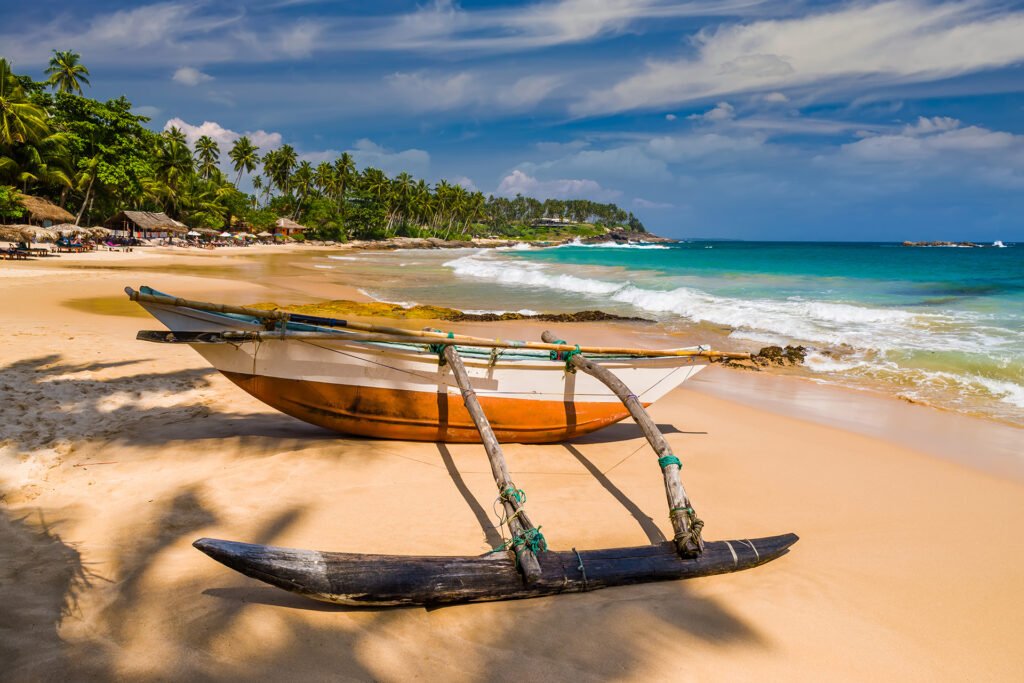
The peak tourist season runs from December through March, particularly around Christmas and New Year. During these months, the west and south coasts enjoy their best weather, with clear skies, calm seas, and minimal rainfall. This is ideal for beach holidays in areas like Bentota, Mirissa, and Unawatuna.
The Cultural Triangle in the north-central region also experiences excellent weather during this period. Visiting ancient cities like Anuradhapura, Polonnaruwa, and climbing Sigiriya Rock are particularly pleasant when temperatures are slightly cooler and rainfall is low.
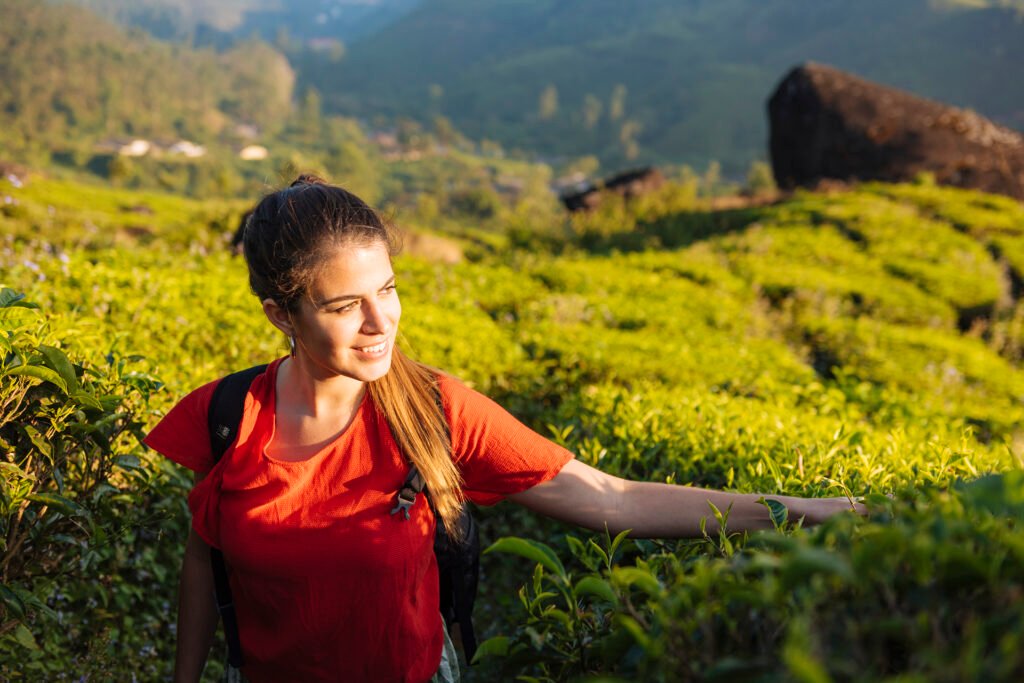
The hill country, including Kandy, Nuwara Eliya, and Ella, sees drier weather from January to March. The tea plantations are lush, the famous train journeys offer clear views, and hiking conditions are excellent.
Keep in mind that this is the busiest time for tourism. Popular destinations can feel crowded, and accommodation should be booked well in advance, especially during the December-January holiday period.
Shoulder Season: April and October-November
April marks a transition period before the southwest monsoon begins. The weather is hot across most of the country, with temperatures reaching their peak. While this might sound uncomfortable, it’s actually an excellent time for wildlife watching. Animals gather around waterholes as vegetation becomes sparse, making safaris in Yala and Udawalawe particularly rewarding.
October and November are inter-monsoonal months. Weather patterns can be unpredictable, with brief afternoon showers possible anywhere on the island. However, this doesn’t mean constant rain. You’ll often get sunny mornings with short downpours in the afternoon, and the landscape is beautifully green.
These shoulder months offer good value for travelers. Fewer tourists mean better availability and sometimes more competitive rates, while the weather remains generally favorable for most activities.
Southwest Monsoon: May to September

From May to September, the southwest monsoon brings rain to the western and southern coasts. This doesn’t mean these areas are off-limits, but you should expect afternoon showers and rougher seas. Swimming can be dangerous due to strong currents during this period.
However, this is when the east coast shines. Arugam Bay, Trincomalee, and Passikudah enjoy their best weather from May to September. The east coast offers stunning beaches, excellent surfing conditions in Arugam Bay, and great snorkeling opportunities.
The Cultural Triangle remains accessible during the southwest monsoon. While you might encounter some rain, it’s usually short-lived and doesn’t significantly impact sightseeing. Temple visits, exploring ancient ruins, and cultural experiences continue without major disruption.
Wildlife enthusiasts should note that Yala National Park closes for part of September and October for the annual drought season and maintenance. However, other parks like Udawalawe, Minneriya, and Kaudulla remain open and offer excellent elephant watching.
 Northeast Monsoon: October to January
The northeast monsoon primarily affects the northern and eastern regions from October through January. During this time, the east coast experiences heavy rainfall and rough seas, making it less suitable for beach activities.
Conversely, the west and south coasts transition into their dry season during this period. By late November and December, these areas are experiencing some of the best weather of the year. This is why the southwest coast becomes the primary focus for beach tourism during the winter months.
Month-by-Month Breakdown
January – February
Excellent weather across the west, south, and Cultural Triangle. Peak season pricing and crowds. Hill country is pleasant with cooler temperatures. East coast experiences rain.
March
Still good weather in most areas, though temperatures begin rising. Slightly fewer tourists than January-February. Good time for all-round touring.
April
Hot across the island. Best month for wildlife safaris as animals congregate near water sources. Brief afternoon showers may begin towards month-end.
May – June
Southwest monsoon begins. West and south coasts see increasing rainfall. East coast comes into its prime with excellent beach weather. Cultural Triangle remains accessible.
July – August
Continued southwest monsoon. East coast at its best. Arugam Bay perfect for surfing. West coast experiences regular afternoon rain. The Esala Perahera festival in Kandy (usually July/August) is a major cultural highlight regardless of weather.
September
Inter-monsoonal period. Weather can be unpredictable anywhere. Some parks close for maintenance. Generally quieter for tourism.
October – November
Transition period between monsoons. Brief showers possible anywhere but usually not all-day rain. October can be particularly wet in some areas. November sees improvement.
December
Peak season begins. West and south coasts ideal. Christmas and New Year very busy. Book accommodation well ahead.
Best Time for Specific Activities
Beach Holidays
West and south coasts: December to March. East coast: May to September. Plan your beach time according to these windows for the best experience.
Wildlife Safaris
April to September generally offers better wildlife viewing as animals gather around water sources. However, safaris operate year-round in most parks. Yala typically closes in September, so plan accordingly if that’s your primary destination.
Tea Plantation Visits
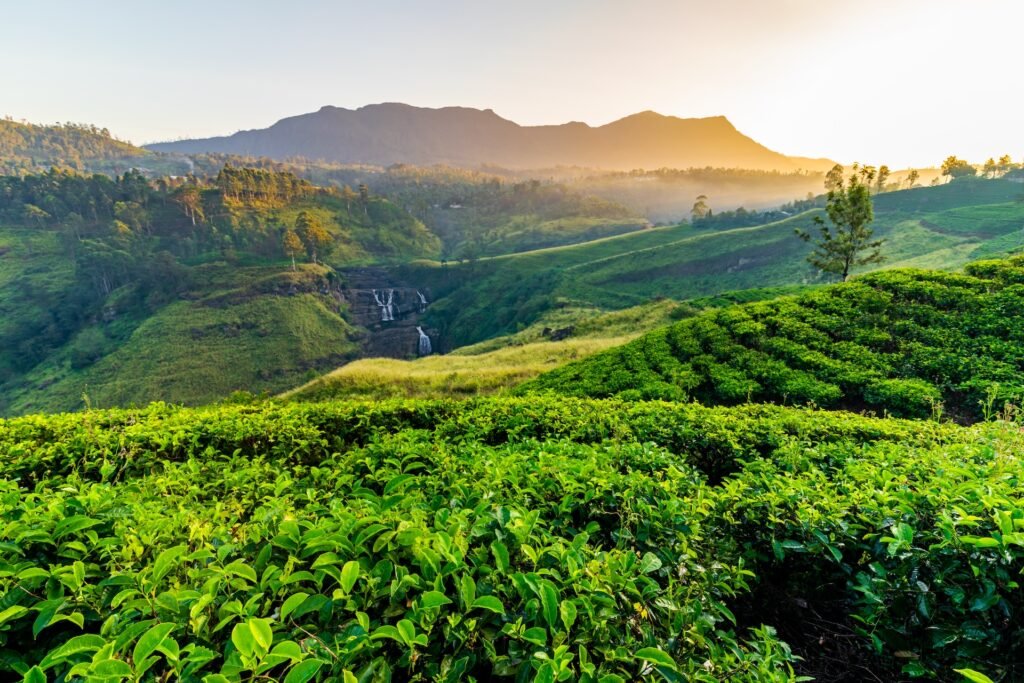
January to March offers the clearest views and most pleasant temperatures in the hill country. The famous train journey from Kandy to Ella is spectacular during these months, though it’s beautiful year-round.
Cultural Sightseeing
The Cultural Triangle is accessible throughout the year. December to March offers the most comfortable temperatures for climbing Sigiriya and exploring temple complexes. Even during monsoon months, rainfall is typically brief and shouldn’t disrupt your plans significantly.
Surfing
South and west coasts: November to April. East coast (Arugam Bay): May to September. Sri Lanka offers surf opportunities year-round if you’re willing to travel between coasts.
Whale Watching
Mirissa and the south coast: December to April. Trincomalee on the east coast: March to August. Blue whales and dolphins can be spotted during these windows.
Planning Your Visit
The “best” time to visit Sri Lanka ultimately depends on what you want to experience and where you want to go. If you’re planning a tour covering multiple regions, consider the weather patterns for each area during your travel dates.
Many travelers successfully visit during shoulder seasons or even monsoon months by being flexible with their itinerary. A good approach is to focus your time on regions experiencing favorable weather during your travel window.
If you’re booking a guided tour, your tour operator can help design an itinerary that maximizes good weather based on your travel dates. They can also provide backup plans for weather-dependent activities.
Remember that “monsoon” doesn’t mean constant rain. Even during wet seasons, you’ll typically experience sunny mornings with afternoon showers rather than all-day downpours. Sri Lanka’s tropical climate means rain showers are often brief and intense, after which the sun returns.
Final Thoughts
Sri Lanka truly is a year-round destination if you choose your regions wisely. The dual monsoon system means there’s always somewhere experiencing great weather. Whether you visit during the popular December-March window or explore during quieter months, you’ll find plenty to experience on this diverse island.
Consider what matters most to you—perfect beach weather, fewer crowds, wildlife viewing, or cultural festivals—and plan accordingly. With the right timing and itinerary planning, any time can be a great time to discover Sri Lanka.