
Packing for Sri Lanka requires some thought because you’ll likely experience diverse climates during your trip. You might be on tropical beaches one day, in cool tea plantations the next, and exploring ancient temples throughout. This guide will help you pack efficiently for Sri Lanka’s varied environments and activities.
Understanding Sri Lanka’s Climate Zones
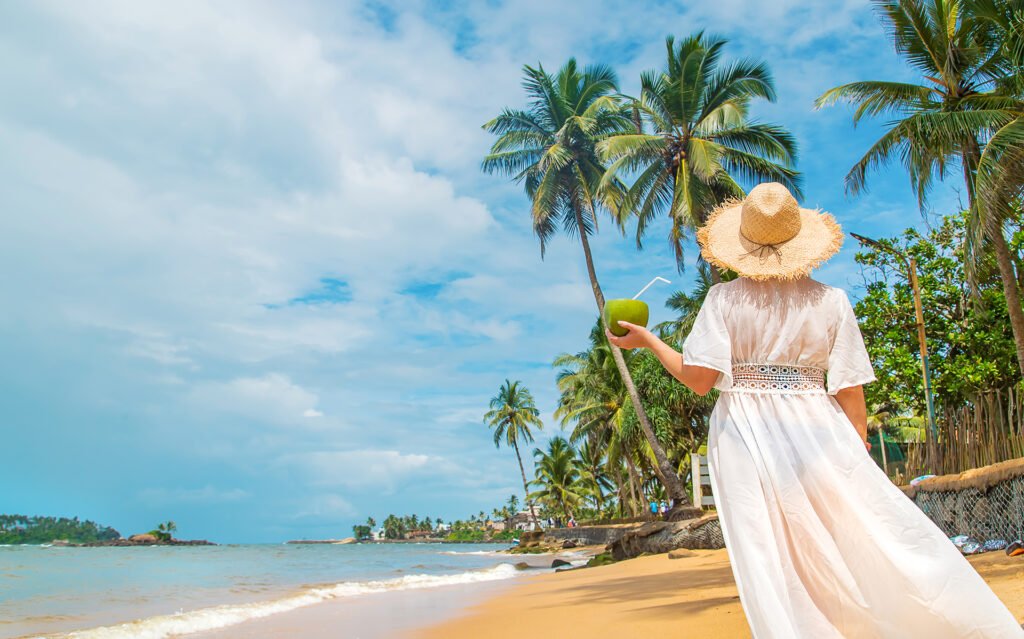
Before diving into specific items, understand that Sri Lanka has distinct climate zones. Coastal areas are hot and humid year-round. The Cultural Triangle in the north-central region experiences high temperatures, especially during midday. The hill country, including Nuwara Eliya and Ella, can be surprisingly cool, particularly in the evenings.
You’ll also need to consider the monsoon season. The southwest monsoon affects the west and south coasts from May to September, while the northeast monsoon impacts the east and north from October to January. Pack accordingly based on your travel dates and destinations.
Clothing Essentials
Lightweight, Breathable Clothing
Sri Lanka is predominantly hot and humid, so lightweight, breathable fabrics are essential. Cotton and linen work well, as they allow air circulation and dry relatively quickly. Pack loose-fitting clothes rather than tight synthetics that trap heat and moisture.
Bring several t-shirts or short-sleeved tops. Quick-dry fabrics are practical if you’re moving between destinations frequently. A couple of long-sleeved shirts are useful for sun protection, cooler hill country evenings, and temple visits where covered shoulders are required.
Bottoms
Lightweight trousers or pants are versatile for temples, safaris, and general sightseeing. Avoid shorts when visiting religious sites, as they’re often not permitted. Women should pack loose, comfortable trousers or long skirts that cover the knees.
For beach time and casual wear, bring shorts, though keep them modest in length for wearing in towns and villages. Swimwear is essential if you’re visiting beaches, though you’ll only wear it at the beach or hotel pool—not in public areas or when traveling between places.
Temple-Appropriate Clothing
When visiting temples and religious sites, you must cover your shoulders and knees. This applies to both men and women. Shoulders must be fully covered—no tank tops or sleeveless shirts. Remove shoes before entering any temple, so wear footwear that’s easy to slip on and off.
Women should consider packing a light scarf or shawl. This can cover shoulders when needed, double as sun protection, and serve as a wrap in air-conditioned spaces. A sarong is also useful and can be purchased inexpensively in Sri Lanka.
Hill Country Layers
If visiting Nuwara Eliya, Ella, or other hill country destinations, pack warmer layers. Temperatures can drop to 10-15°C in the evenings and early mornings, especially between December and February. A light fleece or hoodie is sufficient, along with long trousers.
Don’t pack heavy winter coats—you won’t need them. A lightweight jacket or cardigan is enough for the coolest hill country conditions. Many travelers underestimate this and find themselves chilly during early morning train journeys or evening strolls in Nuwara Eliya.
Rain Protection
Even during dry season, brief afternoon showers can occur. Pack a lightweight rain jacket or compact umbrella. These don’t take much space and prove invaluable when sudden tropical downpours arrive. During monsoon months, waterproof protection becomes essential.
Footwear
Comfortable Walking Shoes
You’ll do considerable walking while exploring ancient cities, climbing Sigiriya Rock, and wandering through markets. Bring comfortable, well-worn-in walking shoes or trainers. Don’t bring new shoes that might cause blisters.
Consider hiking shoes if you’re planning treks like Ella Rock or Adam’s Peak. However, for most standard tourist activities, regular trainers or walking shoes are sufficient.
Sandals
Pack sturdy sandals that can be easily removed. You’ll constantly remove footwear at temples, when entering homes, and at some accommodations. Flip-flops or slip-on sandals make this much easier than lace-up shoes.
Good sandals also work well for beach time and casual wear. Choose comfortable ones suitable for walking moderate distances—you might end up wearing them more than you expect.
Beach Footwear
Flip-flops are perfect for the beach and around your hotel. Some beaches have rough sand or small rocks, so having protective footwear helps. They’re also useful for hotel bathrooms and pool areas.
Accessories and Personal Items
Sun Protection
The tropical sun is intense. Bring high-SPF sunscreen and reapply frequently, especially if swimming or sweating. Don’t rely on buying sunscreen locally—it can be expensive and specific brands might not be available.
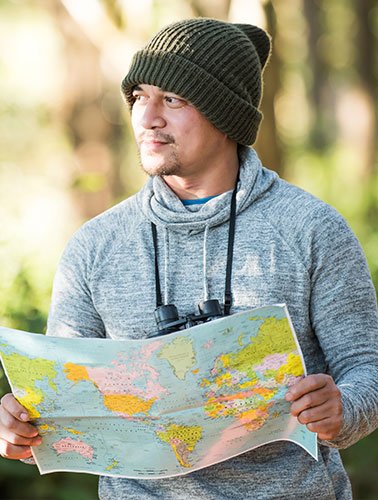
A wide-brimmed hat or cap protects your face during outdoor sightseeing. Sunglasses are essential, particularly during midday and when visiting open archaeological sites where there’s little shade. Consider bringing a buff or neck gaiter for additional sun protection during safaris or long outdoor days.
Insect Repellent
Mosquitoes are present in Sri Lanka, particularly during dawn and dusk. Pack DEET-based insect repellent. If you’re visiting national parks or staying in rural areas, you’ll use it daily.
Consider bringing after-bite cream for the inevitable mosquito bites. Some travelers also pack mosquito-repellent wristbands or patches as additional protection.
Daypack
A small backpack or daypack is useful for carrying water, sunscreen, cameras, and personal items during day trips. Choose one that’s comfortable to carry for several hours and has a water-resistant exterior or rain cover.
Toiletries and Medications
Basic Toiletries
While hotels provide basic toiletries, bring your preferred brands. Shampoo, conditioner, body wash, and skincare products are available in Sri Lankan cities, but your specific brands might not be. Pack travel-sized items if you’re concerned about luggage weight.
Don’t forget deodorant—you’ll need it in the heat and humidity. Bring hand sanitizer for use throughout the day, particularly before eating and after safaris or visiting crowded sites.
First Aid and Medications
Pack a basic first aid kit including plasters, antisepticcream, pain relievers, and any prescription medications you require. Bring enough prescription medication for your entire trip plus a few extra days, and keep them in original packaging with prescriptions.
Include anti-diarrheal medication and rehydration sachets. While most travelers don’t experience serious stomach issues, having these on hand provides peace of mind. Antihistamines are useful for allergies or unexpected reactions to insect bites.
If you wear contact lenses, bring solution and a backup pair of glasses. Carry any regular vitamins or supplements you take, as specific brands may not be available locally.
Women’s Essentials
Feminine hygiene products are available in Sri Lankan pharmacies and supermarkets, but bring your preferred brands if you’re particular. Tampons can be harder to find than sanitary pads, especially outside major cities.
Technology and Electronics
Phone and Camera
Your smartphone will likely be your primary camera, communication device, and navigation tool. Bring charging cables and consider a portable power bank for long days out without access to charging points.
If you’re bringing a dedicated camera, pack extra memory cards and batteries. The photographic opportunities in Sri Lanka are endless—temples, landscapes, wildlife, and cultural scenes—so you’ll take more photos than expected.
Adapters and Converters
Sri Lanka uses Type D, Type G, and Type M electrical sockets. UK plugs (Type G) work in most places, but bringing a universal adapter ensures compatibility everywhere. The voltage is 230V, which is standard for European and UK devices but different from North American 110V appliances.
If bringing North American devices, check if they’re dual voltage. Most modern phone and laptop chargers are, but hairdryers and straighteners often aren’t. Consider leaving non-essential electrical items at home to save luggage space.
E-readers and Entertainment
If you enjoy reading, an e-reader or tablet is more practical than packing multiple books. Long journeys, beach time, and quiet evenings provide plenty of reading opportunities. Download content before you travel, as internet speeds can be slow in some areas.
Consider downloading offline maps, guidebooks, and translation apps before arriving. Having information accessible without internet connection is useful when traveling between destinations.
Important Documents
Essential Paperwork
Keep your passport valid for at least six months beyond your travel dates. Make photocopies of your passport photo page and keep them separate from the original. Store digital copies in your email or cloud storage for emergency access.
Print your visa approval letter if you’ve obtained an Electronic Travel Authorization (ETA) online. While officials can check this electronically, having a printed copy avoids potential confusion.
Bring travel insurance documents with emergency contact numbers. Include details of your itinerary and accommodation bookings, either printed or accessible on your phone offline.
Money and Cards
Carry a mixture of payment options. Credit cards work in hotels, restaurants, and shops in tourist areas, but cash is essential for smaller establishments, markets, and rural areas. Notify your bank of your travel dates to avoid cards being blocked for suspicious overseas activity.
Consider bringing a small amount of US dollars or euros, which can be easily exchanged at banks or authorized exchange bureaus. Keep emergency cash separate from your main wallet.
Optional But Useful Items
Water Bottle
A reusable water bottle is environmentally friendly and practical. Many hotels and restaurants offer filtered water refills. Staying hydrated in Sri Lanka’s heat is crucial, and having your own bottle ensures you always have water during day trips.
Ziplock Bags
Pack several ziplock bags in various sizes. They’re useful for protecting electronics from rain or humidity, storing wet swimwear, organizing small items in your luggage, and keeping important documents dry during boat trips or water activities.
Snacks
While Sri Lankan food is delicious, familiar snacks from home can be comforting during long travel days. Energy bars, nuts, or crackers are useful for early morning safaris or when meals are delayed. Choose items that won’t melt or spoil in heat.
Sarong or Lightweight Blanket
A sarong serves multiple purposes—beach cover-up, picnic blanket, temple wear for covering legs if needed, and warmth on air-conditioned buses or trains. They’re lightweight, take minimal luggage space, and are very versatile.
Dry Bag
If you’re visiting beaches or planning water activities, a small dry bag protects your phone, wallet, and other valuables from water damage. Even if not swimming, boats trips or unexpected rain make this worthwhile.
What NOT to Pack
Excessive Clothing
You’ll likely wear the same few comfortable items repeatedly. Don’t pack seven outfits for a seven-day trip. Most accommodations offer laundry services, often completed within 24 hours and reasonably priced. Pack fewer clothes and plan to do laundry if staying more than a week.
Expensive Jewelry
Leave valuable jewelry at home. There’s no need for it while traveling, and it’s something extra to worry about. Simple, inexpensive accessories are sufficient if you want jewelry for evenings out.
Too Many Shoes
Shoes take up considerable luggage space. Three pairs maximum—walking shoes, sandals, and flip-flops—cover all scenarios. You don’t need separate shoes for every outfit or activity.
Large Towels
Hotels provide towels, and even budget guesthouses usually include them. If you want your own for beaches or travel days, pack a quick-dry travel towel that compresses to minimal size rather than a bulky regular towel.
Guidebooks
Physical guidebooks are heavy and take luggage space. Download digital versions or use online resources accessed on your phone. If traveling with a tour operator, they’ll provide all necessary information about destinations and activities.
Packing Tips
Use Packing Cubes
Packing cubes or compression bags keep clothing organized and maximize suitcase space. Group items by category—tops in one cube, bottoms in another—making it easy to find things without unpacking everything.
Roll, Don’t Fold
Rolling clothes instead of folding saves space and reduces wrinkles. This is particularly effective with t-shirts, lightweight trousers, and casual wear that makes up most of your Sri Lanka packing list.
Wear Bulkiest Items When Traveling
If bringing walking shoes or a jacket, wear them during flights and transfers rather than packing them. This frees up luggage space and keeps your bag lighter.
Leave Room for Souvenirs
Sri Lanka offers wonderful shopping opportunities—tea, spices, handicrafts, textiles. Leave some space in your luggage or pack a foldable extra bag for purchases. Many travelers wish they’d left more room for bringing treasures home.
Season-Specific Considerations
December to March (Peak Season)
This is the driest period for west and south coasts. Pack mostly lightweight summer clothing with a few warmer layers for hill country. Rain protection is less critical but still worth including. Sun protection is essential as skies are clearer.
May to September (Southwest Monsoon)
If visiting west and south coasts during these months, prioritize waterproof items. Pack quick-dry clothing and extra ziplock bags for protecting electronics. If heading to the east coast instead, standard summer packing applies as that region experiences its dry season.
October to January (Northeast Monsoon)
Rain affects northern and eastern areas. If visiting these regions, pack accordingly with waterproofs. The west and south coasts transition to dry season, so lighter packing works for those areas. Hill country can be particularly cool in December-January, so bring adequate warm layers.
Cultural Sensitivity
Remember that Sri Lanka is a conservative country with strong religious traditions. Modest clothing shows respect for local culture. This doesn’t mean you can’t enjoy beaches in swimwear or wear comfortable clothing, but being mindful of context matters.
When visiting temples or rural villages, dress conservatively. This means covered shoulders and knees at minimum. In cities and tourist areas, standards are more relaxed, but beachwear should still be confined to beach areas.
Women might receive unwanted attention in revealing clothing, particularly outside resort areas. Dressing modestly often results in more comfortable and respectful interactions.
Final Packing Checklist
Clothing
- 5-7 t-shirts or short-sleeved tops
- 2 long-sleeved shirts
- 2-3 pairs lightweight trousers/pants
- 1-2 pairs shorts (modest length)
- 1 long skirt or additional trousers for women
- Underwear for trip duration plus extras
- Lightweight jacket or fleece for hill country
- Swimwear
- Light scarf or shawl
- Sleepwear
Footwear
- Comfortable walking shoes or trainers
- Sandals (easy slip-on style)
- Flip-flops for beach
Accessories
- Hat or cap
- Sunglasses
- Daypack or small backpack
- Reusable water bottle
- Sun protection (high SPF sunscreen, after-sun lotion)
- Insect repellent
- Travel-sized umbrella or rain jacket
Toiletries
- Shampoo, conditioner, body wash
- Toothbrush and toothpaste
- Deodorant
- Skincare products
- Hand sanitizer
- Feminine hygiene products
- Razor and shaving supplies
Medical
- Prescription medications with prescriptions
- Pain relievers
- Anti-diarrheal medication
- Antihistamines
- Plasters and antiseptic cream
- Rehydration sachets
Technology
- Smartphone and charger
- Camera with extra batteries and memory cards
- Universal power adapter
- Portable power bank
- Headphones
- E-reader or tablet (optional)
Documents
- Passport (valid 6+ months)
- Visa/ETA confirmation
- Travel insurance documents
- Accommodation confirmations
- Photocopies of important documents
- Credit cards and cash
Smart Packing Means Better Travel
Packing appropriately for Sri Lanka ensures you’re comfortable in all situations—from temple visits to beach relaxation, wildlife safaris to scenic train journeys. The key is balancing preparation with practicality. Don’t overpack, but ensure you have essentials covered.
Remember that Sri Lanka has shops and pharmacies where you can purchase forgotten items, though your specific brands might not be available. It’s better to pack light and buy what you need than struggle with heavy luggage throughout your trip.
With thoughtful packing based on your specific itinerary and travel dates, you’ll be prepared for everything Sri Lanka offers while keeping your luggage manageable. Focus on versatile items that work in multiple situations, respect local customs with modest clothing options, and don’t forget that comfort trumps fashion when exploring this beautiful island.