
Sri Lanka has become increasingly popular with solo travelers over recent years, and for good reason. The island offers diverse experiences, friendly locals, excellent tourism infrastructure, and a manageable size that makes independent travel straightforward. But is it safe to travel alone in Sri Lanka? The short answer is yes, with sensible precautions. Here’s what you need to know.
The Overall Safety Picture
Sri Lanka is generally safe for solo travelers, including women traveling alone. The country has a well-established tourism industry, and locals are accustomed to foreign visitors. Most solo travelers complete their trips without experiencing any safety issues beyond minor inconveniences.
That said, like anywhere in the world, Sri Lanka isn’t entirely without risks. Petty theft, scams targeting tourists, and occasional harassment can occur. The key is staying aware, taking sensible precautions, and trusting your instincts. These same common-sense practices you’d apply anywhere apply equally in Sri Lanka.
It’s worth noting that Sri Lanka has had political challenges in the past, but the tourism areas have remained stable and safe for visitors. Always check current travel advisories from your government before traveling, as situations can change.
Solo Female Travel in Sri Lanka
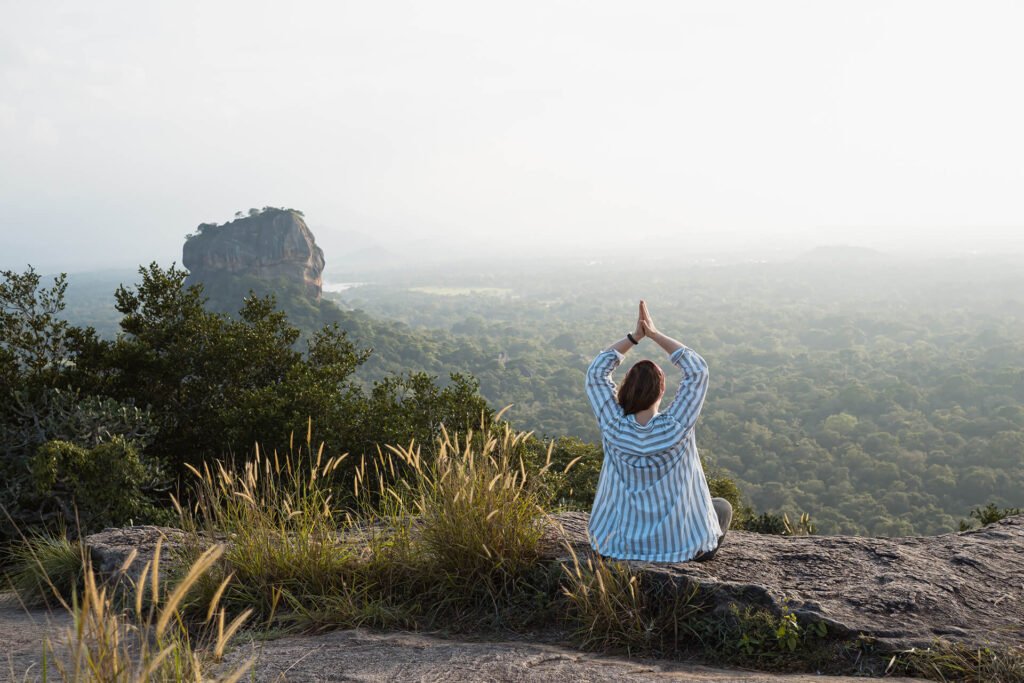
Women traveling alone in Sri Lanka will generally feel safe, though some situations require extra awareness. Sri Lankan culture is relatively conservative, particularly outside major tourist areas. This cultural context is important for understanding how to navigate the country comfortably as a solo woman.
Common Experiences
Solo female travelers often report experiencing staring, which can feel uncomfortable initially. This is usually curiosity rather than anything threatening, especially in rural areas where foreign women are less common. However, it’s important to distinguish between harmless curiosity and unwanted attention that makes you genuinely uncomfortable.
Some women experience verbal harassment, catcalling, or inappropriate comments, particularly in busy urban areas like Colombo. While typically not dangerous, it can be unpleasant. The best response is usually to ignore it completely and continue walking confidently.
Unwanted photography can also occur—people taking photos without permission. If this happens and you’re uncomfortable, politely but firmly ask them to stop. Most will respect this request.
Practical Safety Measures for Women
Dress modestly, especially when visiting temples or traveling in less touristy areas. Cover your shoulders and knees. This isn’t just about respecting local culture—it can also reduce unwanted attention. In beach towns and tourist areas, standards are more relaxed, but modesty still helps.
Avoid walking alone late at night, particularly in quiet or poorly lit areas. If you need to travel after dark, use registered taxis or ride-sharing apps like Uber or PickMe rather than walking. Many accommodations can arrange trusted taxis if needed.
When using public transport, particularly buses and trains, women-only sections are sometimes available. Use these if you prefer more space and less crowding. On trains, reserved seats in second or first class are more comfortable and provide more personal space than third class.
Trust your instincts. If a situation feels wrong or uncomfortable, remove yourself from it. This might mean changing seats on a bus, leaving a shop, or declining an offer that doesn’t feel right. Your comfort and safety matter more than being polite.
Accommodation Choices
Choose accommodation carefully when traveling solo. Read recent reviews, particularly from other solo travelers. Look for places with good security, ideally with 24-hour reception. Guesthouses and smaller hotels often have friendly staff who look out for guests, though larger hotels provide more anonymity if you prefer that.
Many solo female travelers appreciate staying at homestays or guesthouses run by families. These often provide a safer, more welcoming environment and opportunities to interact with locals in comfortable settings.
Common Scams and How to Avoid Them
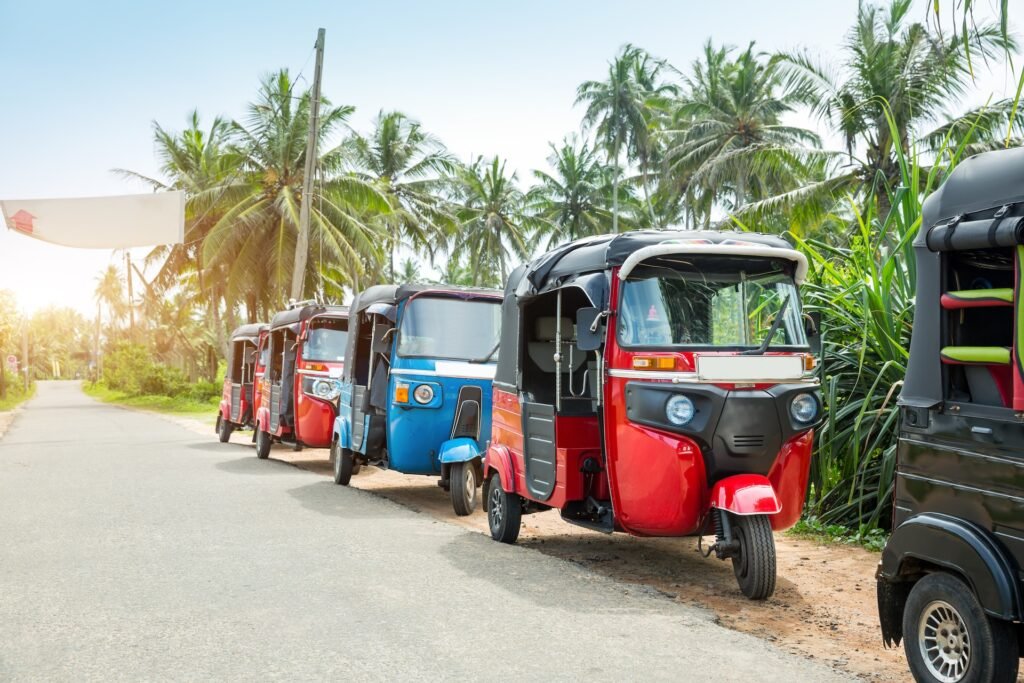
Tuk-Tuk and Taxi Overcharging
Overcharging for transport is probably the most common issue solo travelers face. Some tuk-tuk drivers quote inflated prices to tourists, particularly at airports, train stations, or outside tourist attractions.
Always agree on a price before getting in. If using a metered taxi, ensure the meter is running. Better yet, use ride-sharing apps like Uber or PickMe where available—these provide fixed prices and driver accountability.
For longer journeys or full-day hire, negotiate rates beforehand and get recommendations from your accommodation. Many hotels and guesthouses have trusted drivers they work with regularly.
Gem and Spice Scams
A classic scam involves drivers or friendly locals taking you to gem shops or spice factories where you’re pressured to buy overpriced items. The story often involves helping them get a commission or some elaborate tale about special government-approved shops.
Politely decline unsolicited invitations to shops. If you want to buy gems or spices, research reputable vendors independently or ask your accommodation for recommendations. Never feel pressured to purchase anything.
Fake Guides and Unofficial Tours
At popular sites, unofficial guides may approach offering services. Some are legitimate locals sharing knowledge for tips, others may provide incorrect information or pressure you for payment afterward.
Official guides at heritage sites are identifiable by badges and set fees. If using an unofficial guide, agree on terms (including payment) before starting. It’s perfectly acceptable to decline and explore independently.
Charity and Donation Requests
You may encounter people asking for money for temples, schools, or orphanages. While Sri Lanka has legitimate charitable organizations, some operate scams targeting tourists’ goodwill.
If you want to contribute to local causes, research reputable organizations and donate directly rather than through intermediaries. Be particularly skeptical of anyone approaching you on the street with donation requests.
Health and Safety Practicalities

Food and Water Safety
Stick to bottled water or filtered water provided by hotels. Avoid tap water, ice in drinks (unless you’re confident it’s made from purified water), and raw vegetables that may have been washed in tap water. Most restaurants catering to tourists use safe water, but exercise caution with street food when starting your trip—your stomach needs time to adjust.
Choose busy restaurants where food turnover is high, indicating freshness. Hot, thoroughly cooked food is generally safe. If something doesn’t smell or look right, trust your instincts and skip it.
Sun and Heat
Tropical sun is intense. Dehydration and heat exhaustion are real risks, especially when climbing Sigiriya Rock or spending time outdoors during midday. Carry water, drink regularly, use high-SPF sunscreen, and wear a hat. Take breaks in shade during the hottest parts of the day.
Wildlife Encounters
Sri Lanka’s wildlife is generally not dangerous if you use common sense. On safaris, stay in your vehicle and follow guides’ instructions. Don’t approach wild animals, even if they seem calm—elephants, in particular, can be unpredictable.
Watch for monkeys at temple sites. They can be aggressive, especially if they think you have food. Don’t feed them or leave bags unattended. Keep food hidden and bags closed.
Medical Care
Major cities and tourist areas have good medical facilities, including private hospitals with English-speaking staff. Pharmacies are widely available for minor ailments. Ensure you have comprehensive travel insurance covering medical treatment and evacuation.
Bring any prescription medications you need in original packaging, along with copies of prescriptions. Basic medications like pain relievers and anti-diarrheal tablets are useful to carry.
Transport Safety for Solo Travelers
Trains
Trains are generally safe and offer wonderful scenic journeys. Book reserved seats when possible for comfort and security. Second and first class provide more personal space than third class, which can become extremely crowded.
Keep valuables secure and within sight. Overnight trains are less common for tourists, but if taking one, secure your luggage and consider using a cable lock to attach bags to seats or luggage racks.
Buses
Public buses are cheap but can be chaotic. They’re generally safe but watch for pickpockets in crowded buses, particularly in Colombo. Keep bags in front of you and valuables secure.
Private air-conditioned buses running between tourist destinations are more comfortable and less crowded than public buses. These are worth the small extra cost for solo travelers.
Hiring Drivers
Many solo travelers hire a driver with vehicle for their trip. This provides safety, convenience, and local knowledge. Use recommended drivers from reputable tour companies or accommodation. Check reviews and get recommendations from other travelers when possible.
Drivers become informal guides and can offer insights into culture and destinations. Most are professional and helpful, though ensure you’re comfortable with your driver. If you’re not, it’s okay to request a change through your tour company or accommodation.
Cultural Sensitivity and Interaction
Respectful Behavior
Showing respect for local culture helps you travel safely and positively. Dress modestly, particularly at religious sites. Remove shoes before entering temples. Avoid public displays of affection, which are frowned upon in Sri Lankan culture.
When taking photos, ask permission before photographing people, especially monks or at religious ceremonies. Some situations aren’t appropriate for photography—use judgment and respect requests not to photograph.
Social Interactions
Sri Lankans are generally friendly and helpful toward tourists. Many genuine interactions happen—locals offering directions, recommendations, or simply curious conversations. Most people you meet have good intentions.
However, maintain healthy boundaries. If someone is overly persistent in offering help, politely decline. Be cautious about accepting invitations from strangers, particularly if something feels off. Trust your instincts about people and situations.
If you enjoy meeting locals, structured experiences like homestays, cooking classes, or organized village tours provide safe, authentic cultural exchanges.
Money and Valuables
Keeping Money Safe
Carry only what you need for the day. Leave excess cash, extra credit cards, and your passport (carry a photocopy) in hotel safes when available. Use a money belt or hidden pocket for cash when out exploring.
Divide money between different locations—some in your wallet, some in your bag, perhaps emergency cash in luggage. This way, if one is lost or stolen, you’re not left completely without funds.
ATMs and Banking
ATMs are widely available in cities and tourist areas. Use machines inside banks during business hours when possible, or those in hotels and shopping centers. Be aware of your surroundings when withdrawing money and shield your PIN.
Notify your bank of travel dates to prevent cards being blocked for suspicious overseas activity. Carry at least two different cards in case one doesn’t work or is lost.
Valuables
Don’t display expensive jewelry, watches, or electronics unnecessarily. When using your phone or camera in public, stay aware of surroundings. Snatch thefts can occur in crowded places.
Consider leaving very valuable items at home. You don’t need expensive jewelry while traveling, and it’s one less thing to worry about.
Staying Connected
Mobile Phone and Internet
Buy a local SIM card upon arrival for data and calls. This allows you to use maps, translation apps, ride-sharing services, and stay in touch with accommodation or tour operators. SIM cards are inexpensive and available at the airport or phone shops in any town.
Having internet access significantly improves solo travel safety. You can research places before arriving, call accommodations, use navigation, and contact help if needed.
Share Your Itinerary
Keep someone at home informed of your itinerary. Share accommodation details and check in regularly. This doesn’t need to be daily, but let someone know your general plans and when you’ll be moving between destinations.
If joining tours or treks, inform your accommodation where you’re going and expected return time. This provides a safety net if something goes wrong.
Emergency Contacts and Resources
Save important numbers in your phone before traveling. This includes your country’s embassy, travel insurance emergency line, accommodation contacts, and local emergency services (Police: 119, Ambulance: 110).
Know where your country’s embassy or consulate is located, particularly in Colombo. While hopefully you’ll never need them, knowing how to access help if required provides peace of mind.
Solo Travel Benefits in Sri Lanka
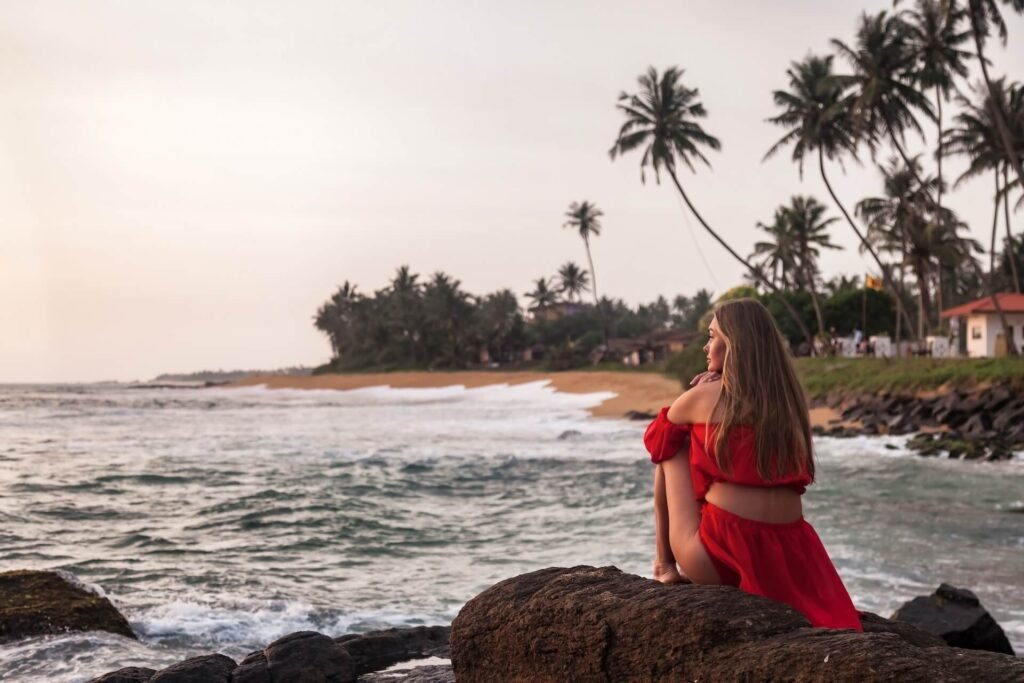
Despite safety considerations, solo travel in Sri Lanka offers wonderful advantages. You set your own pace, choosing where to linger and what to skip. You’re more likely to interact with locals when alone than when traveling in groups. Many solo travelers find Sri Lanka’s manageable size and good infrastructure make it an excellent destination for independent exploration.
The solo travel community in Sri Lanka is strong. You’ll meet other solo travelers in guesthouses, on trains, and at popular spots. Many find travel companions for parts of their journey, sharing tuk-tuks or joining group activities together.
Final Thoughts on Safety
Sri Lanka is safe for solo travelers who take sensible precautions. The overwhelming majority of visitors have wonderful, incident-free experiences. Most challenges are minor—overcharging, occasional scams, or uncomfortable moments rather than serious safety threats.
Approach your trip with awareness but not fear. Sri Lankans are generally welcoming and helpful. The country’s beauty, culture, and experiences far outweigh the minor hassles that occasionally occur.
If you’re considering solo travel to Sri Lanka but feeling hesitant, remember that thousands of solo travelers visit successfully every year. With preparation, cultural awareness, and common sense, you can have a safe and rewarding solo adventure exploring this remarkable island.
Whether you choose to travel completely independently or book a guided tour that handles logistics while allowing independent exploration time, Sri Lanka accommodates various solo travel styles. The key is finding the approach that makes you comfortable while allowing you to experience everything this incredible destination offers.