
Planning your first trip to Sri Lanka? This island nation offers incredible experiences, but like any destination, knowing some practical information beforehand makes your visit smoother and more enjoyable. Here are essential tips covering everything from transport to etiquette, helping you navigate Sri Lanka with confidence.
Before You Arrive
Visa Requirements
Most visitors need a visa to enter Sri Lanka. The Electronic Travel Authorization (ETA) can be obtained online before traveling, which is simpler than applying at the airport. Apply through the official government website at least a few days before departure. The process is straightforward—you’ll receive approval via email, which you should print and carry with your passport.
Some nationalities receive free visas, while others pay a fee. Check current requirements for your nationality, as these occasionally change. Children also need their own ETA, regardless of age.
Best Time to Visit
Sri Lanka has two monsoon seasons affecting different parts of the island at different times. December to March is peak season for the west and south coasts. May to September suits the east coast better. Understanding these patterns helps you pick the right time based on where you want to go. There’s always somewhere in Sri Lanka experiencing good weather, so don’t let monsoon seasons deter you from visiting year-round.
Travel Insurance
Get comprehensive travel insurance covering medical treatment, evacuation, trip cancellation, and lost belongings. Healthcare in Sri Lanka is good but medical emergencies can be expensive without insurance. Ensure your policy covers all activities you might do—some adventure activities require specific coverage.
Vaccinations
No vaccinations are mandatory for entering Sri Lanka, though some are recommended. Consult your doctor or travel health clinic at least six weeks before departure. Commonly recommended vaccinations include Hepatitis A, Typhoid, and routine vaccinations like tetanus. If visiting rural areas, additional vaccines might be suggested.
Money Matters
Currency and Exchange
Sri Lanka’s currency is the Sri Lankan Rupee (LKR). Exchange rates fluctuate, so check current rates before and during your trip. You can exchange major currencies at banks, authorized exchange bureaus, and hotels, though hotels typically offer less favorable rates.
Avoid exchanging money with unofficial street changers, no matter how good their rates seem. Use authorized locations to ensure you receive genuine currency and fair rates.
ATMs and Cash
ATMs are widely available in cities and tourist areas, accepting international cards. Withdrawal limits vary by bank and your card type. Inform your bank of your travel dates to prevent your card being blocked for suspicious overseas activity.
Carry sufficient cash when traveling to remote areas or small villages where ATMs may be scarce. Having a mix of denominations helps, as small shops and tuk-tuk drivers often claim they can’t change large notes.
Credit Cards
Major credit cards work in hotels, upscale restaurants, and larger shops in tourist areas. However, Sri Lanka remains largely cash-based, especially outside tourist zones. Small guesthouses, local restaurants, markets, and most tuk-tuks only accept cash. Don’t rely solely on cards.
Tipping
Tipping isn’t mandatory but is appreciated. In restaurants, 10% is reasonable if service charge isn’t included. For drivers on multi-day tours, tipping at the end is customary based on service quality. Hotel porters, spa therapists, and safari guides also appreciate small tips. Use your judgment based on service received.
Getting Around
Hiring a Driver
Many visitors hire a private vehicle with driver for their trip. This offers flexibility, comfort, and local knowledge. Drivers often act as informal guides, sharing insights about destinations and culture. Book through reputable tour operators or get recommendations from your accommodation.
Agree on all terms before starting—total cost, what’s included, itinerary details. Most driver packages include the vehicle, fuel, and driver accommodation/meals, but clarify this upfront to avoid misunderstandings.
Trains
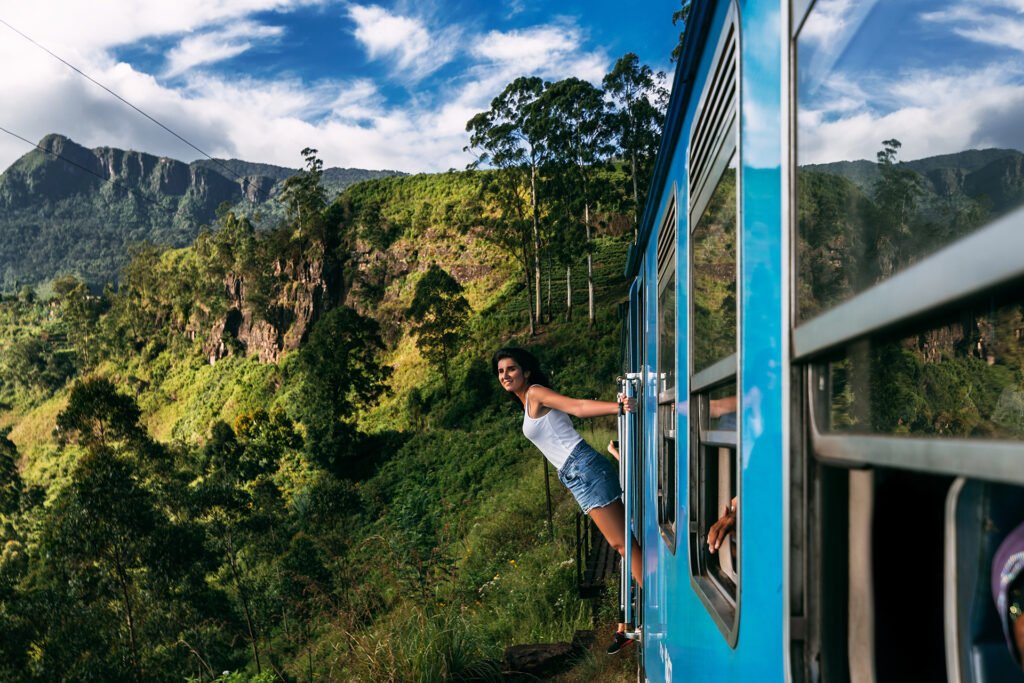
Sri Lanka’s trains offer scenic journeys, particularly the route from Kandy through tea country to Ella. Book reserved seats in second or first class for comfort, especially for popular routes. Third class is cheaper but extremely crowded and uncomfortable for long journeys.
Book tickets in advance when possible, particularly during peak season. The Kandy to Ella route is very popular—book as early as you can. Some travelers book through their hotel or tour operator who can arrange tickets easier than doing it yourself.
Buses
Public buses are cheap but chaotic. They’re fine for short distances if you’re adventurous, but can be uncomfortable for longer journeys. Private air-conditioned buses running between tourist destinations offer more comfort for slightly higher fares.
Buses don’t always run on fixed schedules. Be prepared for flexibility. Keep valuables secure in crowded buses where pickpocketing can occur.
Tuk-Tuks
Three-wheeled tuk-tuks are everywhere and perfect for short distances within towns. Always agree on a price before getting in—meters are rare. Ask your accommodation what reasonable fares are for common routes to avoid being overcharged.
In areas where Uber or PickMe (local ride-sharing app) operates, use these for transparent pricing and accountability. They work well in Colombo and some larger towns.
Driving Yourself
Renting a car and driving yourself is possible but not recommended for first-time visitors. Traffic can be chaotic, roads are often narrow and winding, and driving conventions differ from Western countries. Unless you’re experienced driving in South Asia, hiring a driver is safer and less stressful.
Accommodation Tips
Booking Strategy
During peak season (December-March), book accommodation in advance, especially in popular areas like Ella, Mirissa, and Kandy. During quieter months, more flexibility exists for last-minute bookings.
Read recent reviews from multiple sources before booking. Look specifically for comments from travelers with similar expectations to yours. A budget guesthouse perfect for backpackers might not suit everyone, and vice versa.
Types of Accommodation
Sri Lanka offers everything from budget guesthouses to luxury resorts. Homestays provide authentic cultural experiences and home-cooked meals. Boutique hotels in converted colonial buildings offer character and charm. Beach resorts cater to relaxation. Choose based on your budget and travel style.
Even budget accommodation in Sri Lanka usually includes breakfast. Confirm this when booking, as it’s a nice perk that saves money and time each morning.
Amenities
Not all accommodation has hot water, though most tourist-oriented places do. If this matters to you, check before booking. Air conditioning is common in coastal and lowland areas but less common in the cool hill country where it’s often unnecessary.
Wifi availability and quality vary greatly. If you need reliable internet for work, read reviews carefully and confirm with the property before booking.
Food and Dining

Sri Lankan Cuisine
Sri Lankan food is flavorful, spicy, and delicious. Rice and curry is the staple meal—white rice with multiple curries including dhal, vegetables, and sometimes meat or fish. Hoppers (bowl-shaped pancakes), kottu (chopped roti with vegetables and meat), and string hoppers are other classics worth trying.
Spice levels can be intense for those unaccustomed to heat. Don’t be shy about asking for less spicy versions. Most restaurants catering to tourists can adjust spice levels.
Where to Eat
Tourist restaurants serve both Sri Lankan and international food. Local rice and curry shops offer authentic, inexpensive meals. Street food is generally safe from busy vendors with high turnover, though give your stomach time to adjust when you first arrive.
Look for busy restaurants—high turnover means fresh food. If a place is empty while others nearby are full, there’s probably a reason.
Dietary Requirements
Vegetarians and vegans find Sri Lanka easy. Many curries are naturally vegetarian, and meat-free options are widely available. “No meat” is generally well understood, though fish sauce or dried fish might still appear, so specify “no fish” if needed.
Gluten-free options exist but are less common. Rice is a staple, which helps, but wheat appears in rotis, hoppers, and some other dishes. Communicate clearly about gluten requirements and be patient—it may require some explanation.
Water and Beverages
Don’t drink tap water. Stick to bottled water or filtered water provided by hotels. Avoid ice unless you’re confident it’s made from purified water. Most tourist restaurants use safe water, but exercise caution elsewhere.
Sri Lankan tea is famous worldwide, and you’ll find excellent Ceylon tea everywhere. Fresh fruit juices are delicious but ensure they’re not diluted with tap water. King coconuts (thambili) sold roadside are refreshing and safe—the water inside is naturally sterile.
Cultural Etiquette
Dress Code
Sri Lanka is conservative. Dress modestly, especially outside beach areas. At temples and religious sites, cover shoulders and knees. Remove shoes and hats before entering temples. Some temples also require removing shoes at the entrance gate, not just at the building, so watch what others do.
Beachwear belongs at the beach only. When walking through towns, even beach towns, cover up appropriately. This shows respect and often results in more positive interactions with locals.
Temple Etiquette
Beyond dress code, observe other temple customs. Don’t point your feet at Buddha statues—sitting with legs to the side is respectful. Don’t pose for photos mimicking Buddha statues or turning your back to them. This is considered highly disrespectful.
Photography is usually allowed but ask if you’re unsure. Some areas within temples may prohibit photography. Never photograph monks without permission.
Quiet, respectful behavior is expected. Temples are active places of worship, not just tourist attractions. Observe others and follow their lead.
Social Interactions
Sri Lankans are generally warm and friendly toward visitors. A smile goes a long way. Learn a few words in Sinhala or Tamil—”ayubowan” (hello in Sinhala) and “nandri” (thank you in Tamil) are appreciated, though English is widely spoken in tourist areas.
Public displays of affection are frowned upon. Even holding hands can attract disapproving looks, particularly in rural areas or at religious sites. Save affection for private settings.
Pointing with one finger is considered rude. Use your whole hand or chin to indicate direction. The head is considered sacred—avoid touching anyone’s head, including children.
Photography
Always ask permission before photographing people, especially monks, women, or during religious ceremonies. Many people happily agree, but asking shows respect. Some may request a small payment for photos, which is their choice.
Military installations, airports, and government buildings typically prohibit photography. Watch for signs and observe restrictions.
Communication
Language
Sinhala and Tamil are Sri Lanka’s main languages. English is widely spoken in tourist areas, hotels, and by educated locals. In rural areas, English proficiency decreases, though people usually find ways to communicate through gestures and patience.
Learning basic phrases shows respect and delights locals. Carry a translation app for situations where communication becomes difficult.
Mobile Phones
Buy a local SIM card for data and calls. Multiple providers operate at the airport and in towns. Data packages are inexpensive. Having local connectivity helps enormously with maps, translation, booking transport, and staying in touch with accommodations.
Make sure your phone is unlocked before leaving home so it accepts foreign SIM cards.
Health and Safety
Staying Healthy
Avoid drinking tap water. Wash hands frequently, especially before eating. Use hand sanitizer when soap and water aren’t available. Take time to acclimatize to local food—don’t immediately eat everything in sight. Start with mild dishes and gradually try spicier options.
Protect yourself from mosquitoes, particularly during dawn and dusk. Use insect repellent and consider staying in accommodation with screens or air conditioning. Dengue fever exists in Sri Lanka, transmitted by daytime mosquitoes, so protection matters throughout the day.
Sun Protection
The tropical sun is strong. Apply high-SPF sunscreen regularly, wear a hat, and seek shade during midday hours. Dehydration happens quickly in the heat—drink water consistently throughout the day, not just when you feel thirsty.
Basic Safety
Sri Lanka is generally safe, but standard travel caution applies. Don’t flash expensive items. Keep valuables in hotel safes when possible. Be aware of surroundings, particularly in crowded areas where pickpocketing can occur.
Use registered taxis or ride-sharing apps rather than unmarked vehicles. Don’t accept food or drinks from strangers. These are basic precautions that apply anywhere in the world.
Shopping and Bargaining
What to Buy
Sri Lanka offers wonderful shopping—tea, spices, handicrafts, textiles, gems, and woodwork. Buy tea from reputable shops or directly from tea factories. Spices from spice gardens are fresh but often overpriced—local markets offer better value.
If buying gems, only purchase from reputable dealers with certification. Many scams target tourists buying gems, so unless you’re knowledgeable, be extremely cautious.
Bargaining
Bargaining is expected in markets and with tuk-tuk drivers, but not in shops with marked prices. Start at about 60% of the asking price and negotiate from there. Stay friendly—bargaining should be good-natured, not aggressive.
Know when to walk away. If you can’t agree on a price, politely say no and leave. Often, this brings the seller down to a reasonable price. If not, you’ll find similar items elsewhere.
Electricity and Connectivity
Power Supply
Sri Lanka uses 230V, 50Hz electricity. Sockets are Type D, Type G, and Type M. Bring a universal adapter to ensure compatibility. Most modern phone and laptop chargers handle 230V, but check your devices before plugging in.
Internet Access
Most hotels and guesthouses offer wifi, though quality and speed vary greatly. Tourist areas generally have decent connectivity, but remote locations may have slow or unreliable internet. Buy a local SIM with data for reliable mobile internet access.
Environmental Responsibility
Plastic Use
Plastic pollution is an issue in Sri Lanka. Bring a reusable water bottle and refill from filtered water sources. Refuse plastic bags when shopping—bring your own bag. Avoid single-use plastics where possible.
Wildlife Ethics
Choose ethical wildlife experiences. Elephant orphanages and sanctuaries vary in their treatment of animals. Research before visiting and avoid places offering elephant rides or performances. Responsible wildlife watching happens from safari vehicles in national parks where animals remain wild and free.
Don’t feed wild animals, particularly monkeys at temple sites. This creates dependency and aggression. Observe wildlife from appropriate distances without disturbing their natural behavior.
Reef and Ocean Protection
If snorkeling or diving, avoid touching coral or disturbing marine life. Use reef-safe sunscreen that doesn’t contain harmful chemicals damaging coral reefs. Choose responsible whale watching operators who maintain proper distances and don’t harass animals.
Final Practical Tips
Pacing Your Trip
Sri Lanka looks small on a map, but travel takes longer than expected. Don’t overschedule. It’s better to experience fewer places properly than rush through everything. Build rest days into your itinerary, particularly after long travel days or active sightseeing.
Flexibility
Things don’t always go to plan. Trains run late, weather changes, roads close unexpectedly. Stay flexible and patient. Often, unexpected changes lead to the best experiences. Have backup plans but don’t stress if things don’t go exactly as scheduled.
Learning and Respect
Approach Sri Lanka with an open mind and willingness to learn. Cultural differences exist—embrace them rather than judging by your home standards. Show respect for local customs even if they differ from what you’re used to. This attitude leads to richer experiences and warmer interactions.
Enjoy the Journey
Sri Lanka offers incredible diversity packed into a relatively small island. From ancient cities to tropical beaches, misty tea plantations to wildlife-rich national parks, Buddhist temples to colonial heritage—you’ll find remarkable variety. Take time to absorb experiences, interact with friendly locals, try new foods, and step outside your comfort zone.
Most importantly, remember that the unexpected moments often become the best memories. Be present, stay curious, and enjoy discovering this beautiful island.