
Kandy sits in the heart of Sri Lanka’s hill country, surrounded by mountains and home to the country’s most sacred Buddhist relic. This UNESCO World Heritage city was the last capital of the Sinhala kings and remains a cultural and religious center today. Whether you’re interested in history, culture, nature, or simply soaking in a different pace of life, Kandy offers plenty to explore.
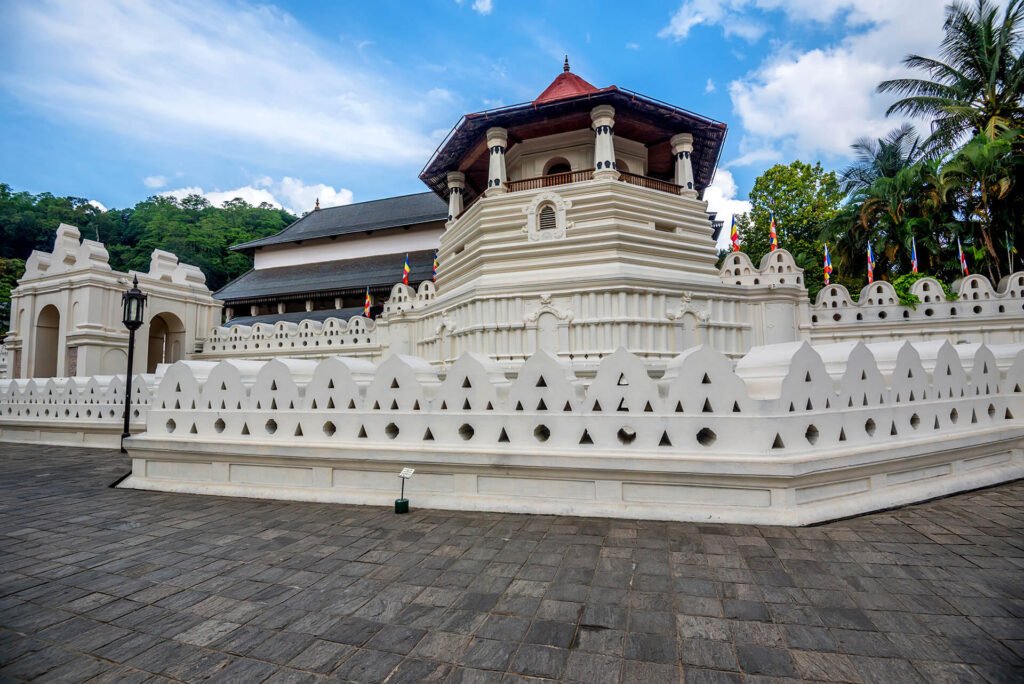
Temple of the Sacred Tooth Relic
The Temple of the Tooth Relic (Sri Dalada Maligawa) is Kandy’s most important attraction and one of Buddhism’s most sacred sites. The temple houses what is believed to be Buddha’s tooth, brought to Sri Lanka in the 4th century. The relic itself is kept in a gold casket within multiple layers of chambers and is not visible to visitors, but the temple complex itself is fascinating to explore.
The temple sits within the royal palace complex beside Kandy Lake. The architecture is beautiful, with ornate wooden columns, detailed paintings, and decorative elements throughout. The main shrine room has a solid silver door leading to the inner chamber where the tooth relic is kept.
Daily puja (prayer ceremonies) take place at 5:30am, 9:30am, and 6:30pm. These are the best times to visit for atmosphere, though they’re also the busiest. During puja, drums beat, horns blow, and devotees offer flowers. The evening ceremony is particularly atmospheric as monks chant and the temple comes alive with activity.
Dress modestly with covered shoulders and knees. Remove shoes at the entrance and leave them in the shoe counter. Photography is permitted in outer areas but not in the main shrine room. Allow at least an hour to explore properly, more if you attend a ceremony.
Entry requires a ticket purchased at the Archaeological Department office opposite the temple entrance. The temple can be crowded, especially during puja times and on Buddhist holidays. Early morning visits before crowds arrive offer a more peaceful experience.
Kandy Lake and Walking Paths
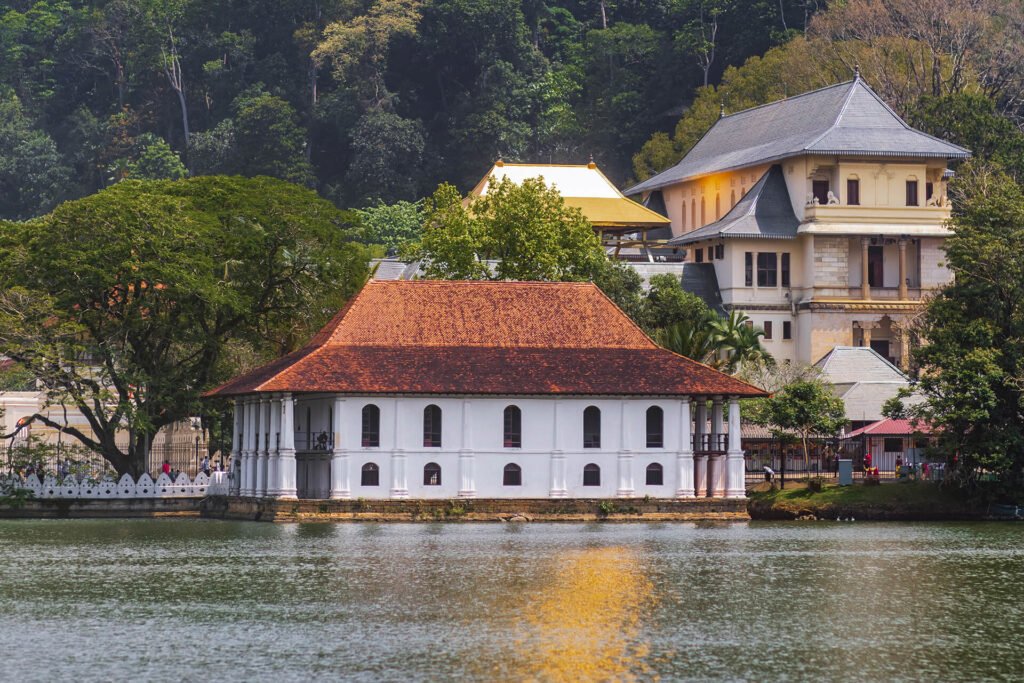
Kandy Lake sits in the city center, created by the last Sinhala king in 1807. A paved walkway circles the lake, making for a pleasant stroll particularly in early morning or late afternoon when temperatures are cooler. The 2-kilometer walk takes about 45 minutes at a leisurely pace.
The lake walk offers views across the water to the Temple of the Tooth and surrounding hills. It’s a nice way to decompress after visiting temples or exploring the busy town center. Local families walk here in the evenings, and you’ll often see monks in saffron robes strolling along the path.
Watch for monitor lizards basking on rocks near the water’s edge. These large lizards are harmless but can startle if you’re not expecting them. The fish in the lake are abundant, and locals sell fish food if you want to feed them, though this isn’t necessary for enjoying the walk.
Benches along the path provide resting spots with lake views. The walk is flat and easy, suitable for all fitness levels. Sunrise and sunset times are particularly beautiful, with soft light over the water and surrounding hills.
Royal Botanical Gardens, Peradeniya
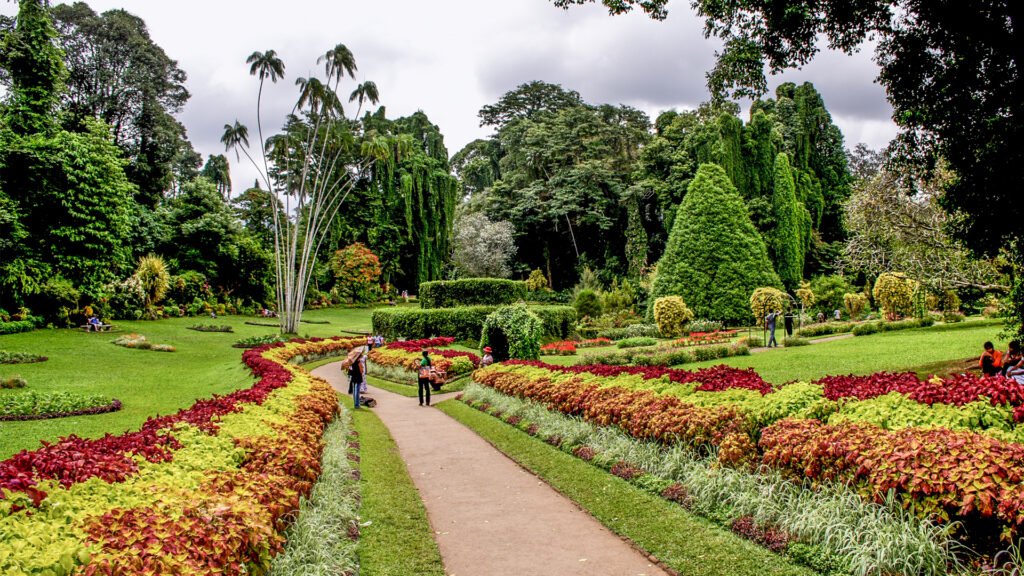
Located 6 kilometers from Kandy city center, the Royal Botanical Gardens in Peradeniya are among Asia’s finest gardens. Covering 60 hectares, they contain an impressive collection of tropical plants, including orchids, spices, medicinal plants, and palm trees.
The orchid house showcases hundreds of species in a climate-controlled environment. The palm collection includes over 100 species. Giant bamboo groves, a suspension bridge over the Mahaweli River, and expansive lawns make for a varied landscape.
One of the garden’s highlights is the avenue of royal palms planted in 1950. These tall, straight palms create a dramatic entrance. Another notable feature is the massive Java fig tree near the main lawn—its sprawling branches cover an enormous area.
Plan to spend 2-3 hours exploring. Bring water and sun protection as much of the garden is exposed. The gardens are popular with local families on weekends and holidays, when they can get crowded. Weekday mornings offer a quieter experience.
The gardens are well-maintained with paved paths throughout, making them wheelchair accessible in most areas. Labels identify many plants, though some are faded or missing. A visit here combines well with a morning in Kandy, returning to the city for lunch.
Cultural Dance Performance
Several venues in Kandy host traditional Kandyan dance performances in the evening. These hour-long shows demonstrate various dance forms from the Kandyan kingdom era, showcasing elaborate costumes, rapid drumming, and athletic movements.
Performances include different dance types—ves dance performed by male dancers in ornate silver costumes, peacock dance, cobra dance, and masked dances. The show typically concludes with a fire-walking demonstration where performers walk barefoot across hot coals.
The most well-known venue is the Kandy Lake Club Cultural Dance Centre, though several other venues offer similar performances. Shows usually start around 5:00pm or 5:30pm and last about an hour. Book tickets through your hotel or buy at the venue before the show—they rarely sell out except during peak season.
While aimed at tourists, these performances preserve traditional art forms and provide an accessible introduction to Sri Lankan dance and music. The skill and athleticism of the performers is impressive, and the costumes are beautiful.
Bahirawakanda Vihara Buddha Statue
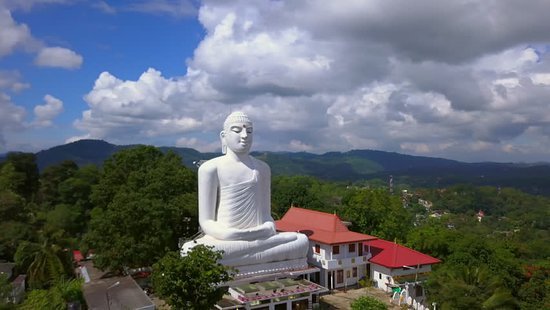
The large white Buddha statue overlooking Kandy from Bahirawakanda Hill is visible from most parts of the city. Visiting the statue offers panoramic views over Kandy, the lake, and surrounding mountains.
The climb to the viewpoint involves steps, though it’s not overly strenuous. Alternatively, you can hire a tuk-tuk to drive up the access road. The view is particularly beautiful at sunset when the light softens and the city lights begin to twinkle.
The Buddha statue itself is 88 feet tall and sits on a lotus throne. The temple complex is modest, but the views are the main attraction. This is a good spot for photographs of Kandy from above.
Visit in late afternoon to catch the sunset and see the city transition from day to evening. As with all religious sites, dress modestly and behave respectfully. Remove shoes before approaching the statue platform.
Udawattakele Forest Reserve
This forest reserve behind the Temple of the Tooth offers hiking trails through dense woodland. Once the private forest of Kandyan kings, it’s now a sanctuary where you can escape the city and experience nature.
Multiple trails wind through the reserve, ranging from short walks to longer hikes. The forest is home to various bird species, monkeys, and other wildlife. Early morning is best for bird watching and cooler temperatures.
Trails are not always clearly marked, and hiring a guide helps you navigate and spot wildlife you might otherwise miss. Guides wait near the entrance and fees are reasonable. If hiking independently, stick to main trails to avoid getting lost.
The forest provides a peaceful contrast to the busy city below. The canopy creates shade, making it comfortable even during midday. Bring water, wear appropriate footwear for uneven trails, and use insect repellent.
Tea Museum
The Ceylon Tea Museum, located in an old tea factory on the outskirts of Kandy, tells the story of Sri Lanka’s tea industry. The museum displays vintage tea-processing machinery, photographs from the colonial tea era, and explains the tea-making process.
The building itself is historic, and different floors showcase different aspects of tea production. The top floor has a café serving tea with views over the surrounding hills. You can sample different tea varieties and purchase high-quality tea to take home.
This is a niche attraction—if you’re interested in tea history and production, it’s worthwhile. If not, you might find it less engaging. The museum is small and can be covered in 30-45 minutes.
Located about 4 kilometers from the city center, you’ll need transport to reach it. A tuk-tuk ride is straightforward, or combine it with a trip to the Botanical Gardens in the same general direction.
Kandy Market and Shopping
The Central Market in Kandy offers an authentic local experience. The ground floor sells fresh produce—fruits, vegetables, spices, and fish. Upper floors have textiles, crafts, and general goods. It’s busy, colorful, and gives insight into daily life.
The market isn’t particularly tourist-focused, which makes it interesting for genuine local atmosphere. It’s a good place to buy fresh fruit, nuts, or spices if staying somewhere with kitchen access. Photography enthusiasts will find plenty of vibrant subjects, though always ask permission before photographing vendors.
For more tourist-oriented shopping, streets around the Temple of the Tooth have shops selling handicrafts, textiles, tea, and souvenirs. Batik fabrics, woodcarvings, brass items, and tea are popular purchases. Bargaining is expected in these shops.
The market area can be crowded and chaotic. Watch your belongings in busy areas. It’s best visited in the morning when produce is freshest and crowds are slightly less intense.
Day Trips from Kandy
Pinnawala Elephant Orphanage
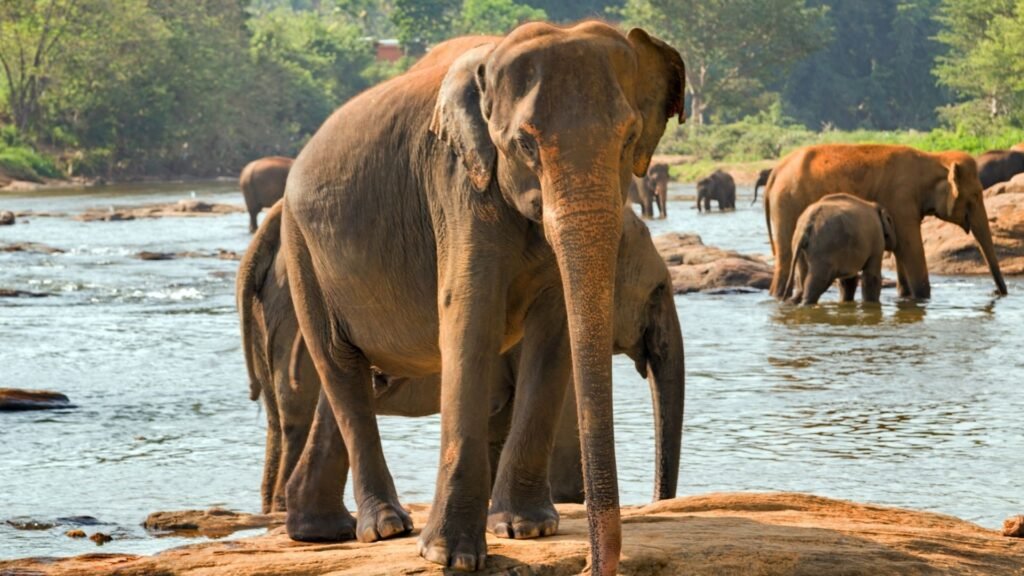
About 40 kilometers from Kandy, Pinnawala Elephant Orphanage cares for orphaned and injured elephants. The highlight is watching elephants bathe in the river, which happens twice daily. While popular with tourists, opinions on the facility vary regarding animal welfare standards.
If visiting, the bathing times (10:00am and 2:00pm) are when elephants are walked to the river. You can observe from the riverbank as they play in the water. Feeding times at the orphanage also draw crowds.
This is a half-day trip from Kandy. Many tours combine Pinnawala with other stops. If concerned about elephant welfare, research thoroughly before deciding whether to visit, and avoid facilities offering elephant rides or performances.
Knuckles Mountain Range
For hikers, the Knuckles Mountain Range lies northeast of Kandy. This UNESCO World Heritage Site offers challenging treks through montane forest, grasslands, and tea estates. The scenery is spectacular, and the area is less touristy than other Sri Lankan hiking destinations.
Proper trekking requires a guide and full-day commitment. The terrain is rugged, and trails are not well-marked. If you enjoy hiking and want to experience Sri Lanka’s mountain wilderness, this is an excellent option. Arrange through tour operators in Kandy who specialize in Knuckles treks.
Ambuluwawa Tower
This unique biodiversity complex topped with a narrow spiral tower sits on a hilltop about 30 kilometers from Kandy. The climb to the top is not for those afraid of heights—the spiral staircase gets very narrow—but views from the summit are impressive.
The complex includes gardens representing different religious traditions. It’s an unusual attraction and makes an interesting half-day trip. The tower climb is optional if heights aren’t your thing—the surrounding gardens and views are still worth visiting.
Where to Eat in Kandy
Kandy has restaurants ranging from local rice and curry shops to international cuisine. For authentic Sri Lankan food, small local restaurants around the market area serve excellent rice and curry lunches at very reasonable prices.
Near the lake and tourist area, restaurants cater more to visitors with menus including both Sri Lankan and Western options. These are comfortable and safe but often more expensive than local spots.
Cafes around the city center serve coffee, snacks, and light meals. They’re good for breakfast or mid-afternoon breaks. Some have wifi, making them useful for trip planning or catching up on messages.
Don’t miss trying kottu—chopped roti mixed with vegetables, egg, and sometimes meat, stir-fried on a hot griddle. The rhythmic chopping sound of kottu being made is a common evening sound in Kandy’s streets.
Practical Information
Getting to Kandy
Kandy is about 115 kilometers from Colombo, roughly a 3-hour drive depending on traffic. Trains run regularly between Colombo and Kandy—the journey takes about 2.5-3 hours and offers scenic views, particularly as you approach Kandy. Buses are cheaper but less comfortable.
Most travelers include Kandy as part of a larger Sri Lanka tour, arriving from Colombo or the Cultural Triangle and continuing to hill country destinations like Nuwara Eliya and Ella.
Getting Around Kandy
Kandy’s town center is walkable. The lake, Temple of the Tooth, markets, and many restaurants are within walking distance of each other. For attractions outside the center like the Botanical Gardens or viewpoints, use tuk-tuks. Agree on prices before starting—most journeys within Kandy shouldn’t cost much.
Ride-sharing apps like PickMe operate in Kandy, offering transparent pricing and convenience if you have local data on your phone.
How Long to Spend
Most visitors spend 1-2 nights in Kandy. One full day covers the main attractions—Temple of the Tooth, Botanical Gardens, lake walk, and evening cultural show. A second day allows for a more relaxed pace, deeper exploration, or day trips to surrounding areas.
Kandy serves as a good base for exploring surrounding attractions. If you enjoy the city’s atmosphere and want to take day trips, staying 2-3 nights works well.
Best Time to Visit
Kandy is accessible year-round. The wettest months are October-November and April-May, but rain usually falls in short afternoon bursts rather than all-day downpours. December-March offers the driest weather and most comfortable temperatures.
The Esala Perahera festival in July or August (dates vary based on the lunar calendar) is Kandy’s biggest event. This two-week festival culminates in spectacular processions of elephants, dancers, drummers, and acrobats throughthe streets. If visiting during Perahera, book accommodation well in advance—the city fills with pilgrims and tourists, and prices rise significantly.
Kandy’s Cultural Significance
Understanding Kandy’s history enriches your visit. The city became Sri Lanka’s capital in 1592 after previous capitals fell to Portuguese invaders. The Kandyan kingdom maintained independence for over 200 years, resisting Portuguese and Dutch colonial powers. The British finally captured Kandy in 1815, ending the kingdom but preserving much of its cultural heritage.
This history explains why Kandy remains central to Sinhala Buddhist identity. The annual Perahera festival, temple rituals, and preservation of traditional arts all stem from Kandy’s role as the last independent Sinhala kingdom. When you visit the Temple of the Tooth, you’re not just seeing a tourist attraction—you’re experiencing a living religious and cultural center that continues traditions spanning centuries.
The city’s layout reflects its royal past. The Temple of the Tooth sits within the royal palace complex. The lake was created by the last king, initially opposed by locals who thought it would bring misfortune. The surrounding hills were sacred, protecting the valley-nestled city.
Beyond the Tourist Trail
If you have extra time or want to experience Kandy beyond the main attractions, consider these options:
Local Life
Simply wandering residential areas away from the tourist center reveals everyday Kandy. Small shops, neighborhood temples, and quiet streets offer glimpses of regular life. The area around Katugastota and along Rajapihilla Mawatha shows a different side from the bustling tourist zone.
Morning Markets
Besides the main market, smaller neighborhood markets operate in the early morning. These cater entirely to locals buying fresh produce for the day. They’re not tourist attractions, which is exactly what makes them interesting for observant travelers wanting to see authentic daily life.
Village Experiences
Some tour operators offer village visits in rural areas surrounding Kandy. These typically include visiting a family home, seeing traditional farming or craft-making, and sharing a meal. Choose ethical operators who genuinely benefit local communities rather than exploiting them for tourist entertainment.
Temple Hopping
Beyond the Temple of the Tooth, numerous smaller temples dot Kandy and surrounding hills. Many see few tourists and offer peaceful atmospheres. Embekke Devalaya, Lankathilaka Temple, and Gadaladeniya Temple—all within 20 kilometers of Kandy—feature beautiful architecture and carvings from the 14th century. Visiting these requires transport and ideally a guide to appreciate their historical and artistic significance.
Photography in Kandy
Kandy offers excellent photography opportunities. The Temple of the Tooth’s architecture, particularly in early morning or late afternoon light, creates beautiful images. The lake at sunrise or sunset provides classic Kandy views.
During puja ceremonies, the atmosphere inside the temple is photogenic, though respect worshippers by being discreet. The main shrine room prohibits photography entirely—respect this completely.
Street photography opportunities abound in the market area, but always ask permission before photographing people. Most locals are friendly about photos if you ask politely, though some may decline or request a small payment.
The cultural dance performances allow photography, though flash is typically prohibited. The colorful costumes and dramatic movements make for interesting shots.
For landscape photography, the Bahirawakanda viewpoint and various hilltop locations around Kandy offer panoramic views over the city and surrounding mountains. Late afternoon light is particularly beautiful when the sun angles across the hills.
Kandy with Children
Kandy can work well for families, though it requires some planning. The Botanical Gardens are excellent for children—open spaces for running, interesting plants to discover, and large trees to admire. The lake walk is easy for small legs, though the full circuit might be too long for very young children.
The Temple of the Tooth may challenge young children’s patience. Keep visits shorter, perhaps timing them with puja ceremonies when there’s more activity to hold attention. The cultural dance show usually captivates children, particularly the fire-walking finale.
Restaurants around the tourist area accommodate children, and many serve familiar foods alongside Sri Lankan dishes. However, Kandy lacks specific child-focused attractions like playgrounds or activity centers common in some destinations.
The city’s hills mean lots of walking with elevation changes. Strollers work on main roads but become impractical on smaller streets or in crowded areas. Baby carriers work better for very young children.
Shopping for Tea and Souvenirs
Kandy is an excellent place to buy Ceylon tea. Multiple shops near the Temple of the Tooth sell packaged tea from various estates. Quality ranges widely—look for established brands or ask for recommendations. The Tea Museum also sells high-quality tea, though at slightly higher prices than regular shops.
When buying tea, consider what you want—black tea, green tea, white tea, and flavored varieties are all available. Estate-specific teas tend to be higher quality than generic blends. Loose leaf tea generally offers better flavor than tea bags.
Spices are another popular purchase. Ensure you’re buying from reputable shops, as quality varies. The central market sells spices cheaper than tourist shops, though you’ll need to know what you’re looking for and bargain appropriately.
Handicrafts including woodcarvings, brassware, batik fabrics, and gemstones are available throughout Kandy. For valuable items like gems, only buy from reputable dealers with certifications. Scams targeting tourists buying gems are common—unless you’re knowledgeable, approach with extreme caution or skip them entirely.
Bargaining is expected in souvenir shops. Start at about 60% of the asking price and negotiate from there. Stay friendly and be prepared to walk away if you can’t reach an agreement. Often this brings sellers down to reasonable prices.
Combining Kandy with Other Destinations
Kandy sits centrally in Sri Lanka, making it a natural stopping point on most itineraries. It works well as a midpoint between Colombo and the Cultural Triangle or between Colombo and hill country destinations like Nuwara Eliya and Ella.
A common route is Colombo to Kandy, then continuing to Nuwara Eliya and Ella via the famous train journey. This allows you to experience coastal, cultural, and hill country regions in one trip.
Some travelers visit Kandy on a day trip from Colombo, though this feels rushed. You’ll spend significant time traveling and have limited time in Kandy itself. Staying at least one night lets you experience the city more thoroughly, including an evening cultural show and early morning temple visit before crowds arrive.
From Kandy, you can reach most parts of Sri Lanka within a few hours’ drive. This central location makes it a useful base if you prefer staying in one place and taking day trips rather than moving hotels frequently.
Final Tips for Visiting Kandy
Start your day early. Early morning at the Temple of the Tooth is peaceful before crowds arrive. The lake walk is pleasant in the cool morning air. Markets are less chaotic before midday heat builds.
Pace yourself. Kandy sits at higher elevation than coastal areas, and the hills mean constant ups and downs. Take breaks, drink water, and don’t try to cram everything into one exhausting day.
Respect religious sites. This cannot be overstated in Kandy, where sacred sites form the heart of the city. Dress modestly, behave respectfully, follow rules about photography, and remember you’re visiting living religious spaces, not just tourist attractions.
Engage with locals. Kandy residents are generally friendly and interested in visitors. Simple conversations in shops, with tuk-tuk drivers, or at restaurants often provide insights guidebooks can’t offer. A few words in Sinhala and a genuine smile open doors to warm interactions.
Kandy rewards curious travelers. Beyond the main attractions, the city has character in its streets, markets, and neighborhoods. Taking time to simply wander and observe reveals layers that rushed visits miss. Whether you have one day or several, Kandy offers a window into Sri Lanka’s cultural heart that enriches your understanding of this diverse island.